Zinc Benefits for the Body: Uses, Deficiency Symptoms and Sources
A clear guide to zinc's benefits for the body, men and women, the symptoms of deficiency, dietary sources, daily requirements and when you may need a supplement.
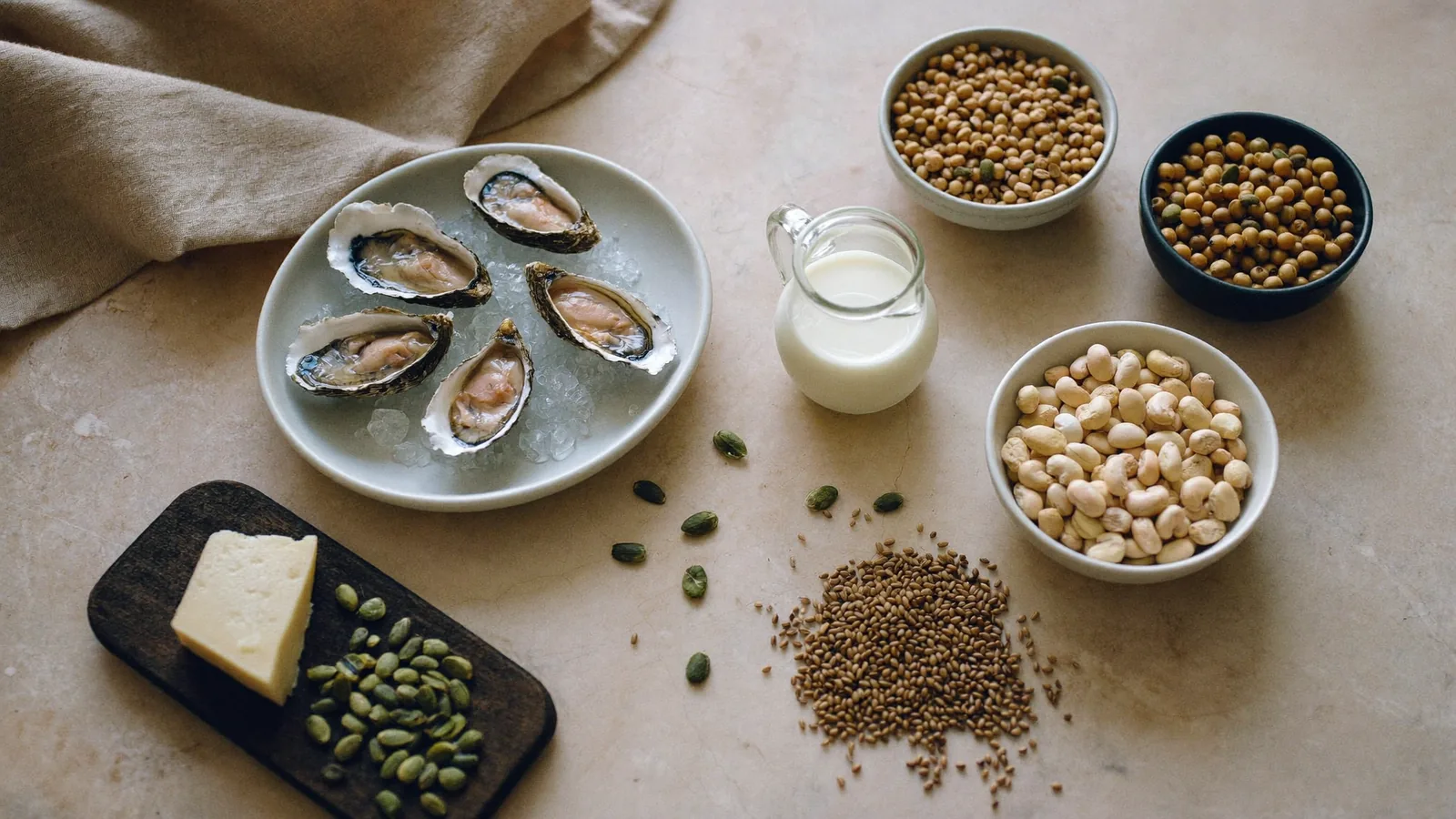
Zinc is one of the essential minerals the body needs in small amounts, yet it takes part in a wide range of vital functions — immune system activity, protein and DNA synthesis, cell division, wound healing, and growth and development.
That is why so many questions come up about the benefits of zinc for the body, for men and for women, and its relationship to hair, skin and immunity — alongside questions like: what are the symptoms of zinc deficiency? how do I raise my zinc level? and which foods are richest in zinc?
But getting enough zinc does not mean that taking higher doses will necessarily give extra benefit. The body's requirement differs with age, sex and health, and taking too much zinc can lead to side effects and health problems.
In this guide from Well we set out the main benefits of zinc, the symptoms of deficiency, dietary sources, the daily requirement, when you might need a supplement, and what to know before using one.
Please note: this article is for health education and is not used to diagnose zinc deficiency or determine the right dose for you. Where deficiency is suspected or a supplement may be needed, it is better to consult a health professional.
What is zinc, and why does the body need it?
Zinc is an essential mineral the body cannot produce in sufficient quantity, so it has to come from food or, where needed, from supplements.
Zinc has many benefits, contributing to a broad range of vital processes, including:
- Supporting immune system function.
- Protein and DNA synthesis.
- Cell division and growth.
- Wound healing.
- Maintaining the senses of taste and smell.
- Normal growth and development.
- Participating in many cellular reactions and functions.
The US National Institutes of Health (NIH) explains that zinc is required for the activity of hundreds of enzymes, and plays important roles in immunity, protein and DNA synthesis, cell division and wound healing.
The World Health Organization likewise confirms that zinc is one of the essential micronutrients the body needs in small amounts for proper growth and health.
What are the benefits of zinc for the body?
Zinc's core benefits lie in supporting the body's normal functions — not in treating every illness, as some advertising and online content might suggest.
1. Supporting the immune system
Maintaining a healthy immune system is among zinc's most important benefits, which is why a zinc deficiency can affect the efficiency of the immune response, particularly where the deficiency is pronounced.
But it is important to separate two things: maintaining an adequate zinc level, and taking high doses of zinc in the hope of strengthening immunity beyond normal.
There is no rule that higher doses give better immunity in people who are already getting what they need.
And if you are looking for broader health support or want to know what intravenous services are available, you can explore Well's health services and intravenous sessions.
2. Helping wounds heal
Zinc is involved in cell division and protein synthesis, so its benefits extend to tissue renewal and wound healing.
But this does not mean that taking high doses of zinc speeds the healing of every wound. The benefit is clearest where there is an actual deficiency or dietary need.
3. Supporting growth and development
The body needs zinc during periods of growth, which makes getting enough of it important for children and adolescents.
Daily requirements differ with age and sex, and also differ during pregnancy and breastfeeding.
4. Maintaining taste and smell
Zinc deficiency can affect taste and smell, so losing or noticing a change in these senses can be one of the signs that prompts an assessment of nutritional status — particularly if it appears alongside other symptoms.
But changes in taste or smell have many causes, so they cannot be taken as evidence of zinc deficiency on their own.
What are the benefits of zinc for men?
Zinc supports men's health and is important for a number of functions related to general and reproductive health.
Does zinc raise testosterone?
A systematic review points to a relationship between zinc status and testosterone levels, and notes that the effect of zinc supplements may vary according to baseline zinc and testosterone levels, the dose, and the duration of use.
So it is not accurate to say that zinc raises testosterone in all men.
More precisely: zinc deficiency may be associated with lower testosterone levels, while the effect of zinc supplements depends on the person's nutritional status and baseline zinc level.
Zinc and male fertility
Zinc's benefits for men include supporting reproductive system function, but zinc supplements should not be treated as a general fertility treatment.
Where there is delay in conceiving or a problem with a semen analysis, medical assessment is the right step for identifying the cause, rather than relying on a single supplement.
What are the benefits of zinc for women?
Zinc is a vital mineral for women's health — not a vitamin in the literal sense — and it matters at every stage of life. Getting an adequate amount becomes more important during certain periods, such as pregnancy and breastfeeding.
Zinc's benefits for women include:
- Supporting the immune system.
- Contributing to cell renewal.
- Supporting growth and development.
- Helping wounds heal.
- Participating in a number of cellular processes.
Zinc's benefits for hair and skin apply to women as well, supporting hair health and helping maintain the skin's freshness and renewal.
Is zinc useful for polycystic ovary syndrome?
Zinc's benefits for women include supporting hormonal balance, and some studies have examined the relationship between zinc and polycystic ovary syndrome — but the findings are not sufficient to treat zinc as a standalone treatment for PCOS. Some reviews found differences in zinc levels among some women with PCOS, while overall results remained inconclusive.
Using zinc to treat PCOS without medical assessment is therefore not advised.
Zinc for hair and skin
Zinc is connected to skin and hair health because it is involved in cell division and protein formation — the two processes at the heart of skin cell renewal and hair follicle growth.
Zinc for hair
Hair needs a range of nutrients for normal growth, and zinc is one of the important minerals in cell division and protein synthesis.
Hair loss may be one of the signs associated with zinc deficiency, but hair loss has many causes, including genetic factors, hormonal changes, iron deficiency and certain medical conditions.
So if you are experiencing persistent hair loss, do not assume the cause is zinc deficiency.
And if a deficiency is confirmed, correcting it may help with the problem linked to that deficiency — but taking extra zinc when there is no deficiency does not necessarily mean more hair growth.
Zinc for skin
Zinc plays a role in skin health and wound healing, so getting an adequate amount is associated with healthy, fresh-looking skin.
As for acne, some research has examined the use of zinc in that context, but the evidence is not enough to treat it as a standalone treatment for all acne.
Where acne is persistent or moderate to severe, it is better to have the condition assessed by a dermatologist rather than relying on zinc supplements alone.
Zinc for joints
Zinc is an antioxidant and anti-inflammatory and supports immune system health. Although some preliminary studies have looked at the relationship between zinc and joint inflammation, the scientific evidence so far is not sufficient to rely on zinc to treat joint problems.
It is better to consult a doctor first, to learn more about zinc's role for joints, whether you need it, and any possible interactions with medications prescribed for joint conditions.
What are the benefits of zinc for the nerves?
Zinc supports the nervous system, has a role in transmitting nerve signals, and helps protect nerve cells from oxidative factors. Zinc levels are held in a fine balance within the nervous system that contributes to the stability of its functions.
That does not mean zinc is used as a treatment for nerve disorders or neuropathy. Any neurological symptoms always call for direct medical assessment rather than reliance on dietary supplements.
Which conditions does zinc treat?
This question needs precision, because zinc is not considered a direct treatment for any illness on its own. It is more accurate to distinguish several situations:
- Treating zinc deficiency itself: where an actual deficiency is confirmed through medical assessment, a doctor may prescribe zinc supplements to correct it, easing the symptoms of deficiency and restoring vital functions.
- Specific uses under medical supervision: in some cases — certain digestive disorders that impede zinc absorption, or some skin conditions — a doctor may recommend zinc as part of the treatment plan, not as a substitute for the primary treatment.
- Claims without sufficient evidence: there are widespread claims linking zinc to the treatment of various health problems without adequate scientific support, and these should not be relied upon.
Broadly, zinc is best seen as an element that supports the body's normal functions rather than a standalone treatment for a particular illness, and any decision to use it therapeutically should be under a doctor's supervision.
How do I know if my body needs zinc?
The symptoms of zinc deficiency can be non-specific, its shortage affects many functions, and the symptoms may resemble those of other health conditions or nutrient deficiencies.
Possible signs include:
- Poor appetite.
- Slow wound healing.
- A change in taste or smell.
- Hair loss.
- Skin problems.
- Poor growth in children.
- Increased susceptibility to infection in severe deficiency.
The NIH notes that the risk of inadequate zinc may be higher in certain groups, such as people with digestive diseases or who have had some forms of bariatric surgery, and some people following particular diets.
Are the symptoms of zinc deficiency enough to diagnose it?
No. Hair loss, weak immunity or loss of appetite do not necessarily mean a zinc deficiency.
Assessing zinc status may require looking at diet, health history, symptoms and appropriate tests, and a single symptom should not be relied on to diagnose a deficiency.
Who is most at risk of zinc deficiency?
The risk of inadequate zinc may be higher in certain groups, including:
- People with certain digestive disorders and malabsorption.
- People who have had certain gastrointestinal surgeries.
- Some people following plant-based diets, because of the lower bioavailability of zinc in some plant sources.
- People with malnutrition.
- Certain groups during particular life stages, depending on nutritional needs.
How much zinc does the body need daily?
The daily requirement for zinc differs with age, sex, pregnancy and breastfeeding.
| Group | Daily zinc requirement |
|---|---|
| Men aged 19 and over | 11 mg |
| Women aged 19 and over | 8 mg |
| Pregnant women | 11 mg |
| Breastfeeding women | 12 mg |
| Adolescents aged 14–18 | Varies by sex and situation |
These are the recommended dietary allowances according to the NIH, and individual requirements may differ according to health status and medical assessment.
What are the sources of zinc?
Certain foods are worth including in your diet to get zinc's benefits. Among them:
The main animal sources of zinc
- Oysters.
- Red meat.
- Poultry.
- Fish and seafood.
- Dairy products.
Plant sources of zinc
- Chickpeas.
- Lentils.
- Beans and legumes.
- Nuts.
- Seeds.
- Whole grains.
The NIH explains that oysters, meat, poultry and seafood are good sources of zinc, and that it is also found in legumes, nuts, grains and dairy products.
The World Health Organization likewise recommends a varied diet containing different sources of micronutrients, including whole grains, legumes, nuts, seeds and animal protein sources.
Does fruit contain zinc?
Some fruits contain amounts of zinc, but they are generally not among its richest sources compared with meat, seafood, legumes, nuts and seeds.
So if the goal is to increase zinc in your diet, it is better to rely on a variety of food sources rather than focusing on fruit alone.
How do I raise my zinc quickly?
If you think you have a zinc deficiency, do not start straight away with high doses of supplements. Exceeding the limit will not increase zinc's benefits and may cause side effects.
The better steps are:
- Reviewing your diet.
- Assessing symptoms and health history.
- Consulting a specialist where there are risk factors or persistent symptoms.
- Carrying out appropriate tests if the doctor considers them necessary.
- Using supplements only where there is a clear need, and at the appropriate dose.
Getting most nutrients from food is the basic approach where possible, while supplements may be useful in particular cases where dietary needs cannot be met or where there is a specific medical need.
Can zinc be taken long term?
There is no single duration that suits everyone.
How long zinc supplements are used depends on:
- The reason for using them.
- The dose.
- The zinc level.
- Age.
- Health status.
- Other medications and supplements.
Using high doses for long periods without medical supervision is not advised.
Too much zinc can cause nausea, vomiting, stomach upset and headache, and high doses over a long period may affect copper absorption and immune function.
What is the safe upper limit for zinc?
For adults, the tolerable upper limit for zinc is 40 mg per day from all dietary, supplement and medication sources, according to the NIH.
This limit does not mean a person needs to take 40 mg daily; it is an upper bound to reduce the risk of adverse effects in healthy people, and it does not apply in the same way to those receiving zinc for a medical condition under a doctor's supervision.
What are the harms of taking too much zinc?
Zinc's benefits can turn into harms when taken in excess. Taking more zinc than needed may lead to:
- Nausea.
- Dizziness.
- Headache.
- Stomach upset.
- Vomiting.
- Loss of appetite.
With high intake over long periods, copper absorption may fall, and immune function and HDL cholesterol levels may be affected.
Increasing the dose is therefore not a way to get more benefit from zinc.
Does zinc interact with medications?
Yes, zinc can interact with certain medications.
Among the main examples:
- Some antibiotics in the tetracycline group.
- Some antibiotics in the quinolone group.
- Penicillamine.
- Some diuretics, which may affect zinc levels.
To get the most from zinc, it should not be taken at the same time as medications that affect its absorption. So if you take medication regularly, it is better to ask your doctor or pharmacist about the right timing.
Is intravenous zinc better than zinc supplements?
Not necessarily. The fact that zinc exists in the body does not mean that giving it intravenously is automatically better than getting it from food or using an oral supplement where needed.
How zinc is given depends on the medical situation, the purpose of using it, and the medical protocol. Intravenous treatment should not be chosen simply out of a wish for a "stronger dose".
And if you are looking for the intravenous services available at Well, you can review the available intravenous services and sessions.
Important: no intravenous session should be treated as a substitute for diagnosing zinc deficiency or treating a medical condition without a specialist assessment.
Is intravenous zinc suitable for everyone?
Intravenous zinc cannot be considered suitable for everyone.
Before any intravenous intervention, health status, current medications and the actual need for treatment should be assessed — and some conditions may need an entirely different treatment.
So if you are looking for nutritional or intravenous support, the right step is a medical assessment first, rather than choosing a session based on an advertisement or someone else's experience.
How do you choose a safe, high-quality zinc supplement?
Before choosing any supplement containing zinc, several points are worth noting:
- The form of zinc: different forms (zinc citrate, zinc gluconate, zinc picolinate) differ in absorption rate, which may affect effectiveness.
- The amount of elemental zinc: some products state the total weight of the compound rather than the actual (elemental) zinc content, so check the real amount available in the dose.
- Matching the dose to actual need: the appropriate dose depends on age, sex and health status, and choosing a high dose without cause is not advised.
- Manufacturer quality and certification: confirm the product's source and the reliability of the manufacturer.
- Possible interactions: particularly for anyone taking other medications or supplements regularly.
- Whether a supplement is actually needed: in many cases the zinc requirement can be covered through food alone.
The best course is always to consult a doctor or dietitian before starting any supplement, to determine whether it is actually needed at all, and what dose and form suit the case.
Because zinc is directly connected to immune support and wound healing, this becomes particularly relevant for people preparing for a surgical procedure or recovering after one, where overall nutritional status forms part of preparing the body well.
In such cases, a specialist team can assess the actual nutritional and intravenous need rather than relying on personal guesswork. The Well team offers a pre-operative intravenous preparation service, delivered after a medical assessment of the person's condition to determine the most appropriate support before surgery.
When should you consult a specialist?
If you have persistent symptoms that may be linked to a nutritional deficiency, follow a diet that may raise the risk of inadequate intake of certain nutrients, or take medication regularly, it is better to get a specialist assessment before starting supplements.
Assessing nutritional status may also form part of comprehensive healthcare, and you can review Well's available services to learn about suitable care and consultation options.
In summary
Zinc is an essential mineral with important roles in immunity, growth, cell division, protein and DNA synthesis, and wound healing.
But the core benefit comes from getting an adequate amount of zinc — not from taking doses higher than needed.
If you suspect a zinc deficiency, do not rely on symptoms alone and do not start high-dose supplements on your own. A health and nutritional assessment helps determine whether you need a supplement, what dose is appropriate, and whether there are other reasons behind the symptoms.
As for intravenous zinc, it should not be considered automatically better than food or supplements, and deciding whether it is needed and how to use it should follow an appropriate medical assessment.
If you are looking for healthcare or intravenous services in Saudi Arabia, explore the services available through Well.
Sources
Frequently asked questions
What are the main benefits of zinc for the body?
Zinc contributes to supporting the immune system, protein and DNA synthesis, cell division, wound healing, and normal growth and development.
What are the symptoms of zinc deficiency?
Symptoms may include loss of appetite, slow wound healing, hair loss, changes in taste or smell, and some skin or growth-related problems — but symptoms alone are not enough to diagnose a deficiency.
Does zinc raise testosterone?
Zinc deficiency may be associated with lower testosterone levels, and some studies suggest the effect of zinc supplements may vary according to a person's baseline zinc and testosterone levels. Zinc's benefits may include raising testosterone for those with low levels, but high doses aimed at raising testosterone are not advised without medical assessment.
Is zinc good for hair?
Zinc deficiency can affect hair health, and correcting a deficiency where one exists may improve the associated problem — but zinc is not a general treatment for all causes of hair loss.
Is zinc good for skin?
Zinc plays a role in skin function and wound healing, but using zinc supplements to treat skin conditions such as acne depends on the case and is not a substitute for appropriate medical treatment.
Where is zinc found in abundance?
Zinc is found in good amounts in oysters, meat, poultry and seafood, and also in legumes, nuts, seeds, whole grains and dairy products.
Which fruits contain zinc?
Some fruits contain zinc, such as guava and pomegranate, but they are not usually among its main sources compared with meat, seafood, legumes and nuts.
Can zinc be taken daily?
Zinc can be obtained daily from food. Whether to take zinc supplements daily depends on need, dose and health status. High doses for long periods without medical supervision are not advised.
How long can zinc be taken for?
The duration depends on the reason for use, the dose and health status. A period of correcting a deficiency is usually short and defined under a doctor's supervision, without long-term use without follow-up.
What is the upper limit for zinc?
The upper limit for adults is 40 mg per day from all sources, according to the NIH — but that does not mean 40 mg is the required daily dose.
Is intravenous zinc better than zinc tablets?
It cannot be called better for everyone. How zinc is given depends on the medical situation, the actual need and the protocol used, and intravenous treatment should not be chosen simply to get a higher dose.
Which foods should be avoided with zinc?
Foods high in phytic acid such as whole grains and legumes in large amounts, and iron or calcium supplements at high doses, may reduce zinc absorption if taken at the same time.